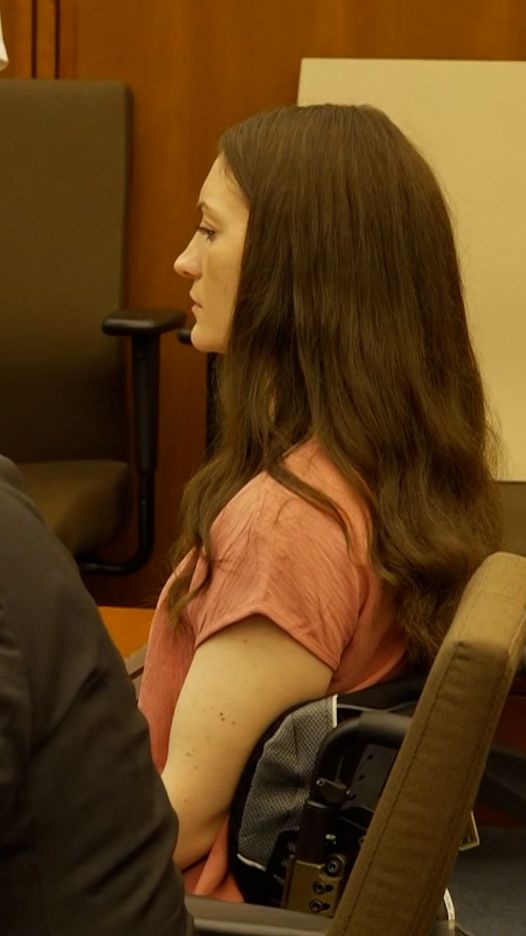
Lindsay Clancy has not taken the stand, but the Massachusetts mother accused of killing her three children communicated in multiple ways at her murder trial this week.
She vocally answered the judge’s questions about a legal issue, her first audible words in the trial. She sobbed and shook during difficult testimony about the autopsy of her infant son. And her diary entries about her parenting stresses and postpartum issues were read aloud in court.
Together, Clancy’s vocal, physical and written messages offered key insights into her perspective in the second week of her trial on three counts of murder in the killings of her children Cora, 5; Dawson, 3; and Callan, 8 months.
This week’s proceedings in a Plymouth, Massachusetts, courtroom also featured testimony about her mental health status before and after the killings, her physical injuries from her suicide attempt, and her friends’ and family’s concerns.
Prosecutors argue Clancy, 35, “acted intentionally, rationally and swiftly” when she fatally strangled her three children at their Duxbury home on January 24, 2023. Her defense attorneys argue she is not criminally responsible because she was in the midst of a psychotic episode stemming from postpartum mental illness.
Testimony began two weeks ago with opening statements and an emotional witness account from her husband, Patrick Clancy.
Here’s what we learned at Lindsay Clancy’s trial this week:
Defendant speaks, sobs and writes
With the jury outside of the room, Clancy answered several questions from the judge Tuesday about her understanding of a stipulation agreement, which is an acknowledgement of specific facts to save time in a trial. Judge William F. Sullivan repeatedly asked her if she understood her rights, and she responded with an even voice: “Yes, your honor.”
The topic was not particularly notable – basically agreeing the chain of custody of some evidence was proper – but it was the first time the public has heard her voice in this trial.
The jury saw her get emotional, too. On Thursday, Clancy loudly sobbed, shuddered and covered her face with her hands as a medical examiner testified about Callan’s autopsy.
Prosecutors displayed multiple pictures of Callan at the time of his autopsy to the parties and jury, though they were not shown on camera. The baby’s injuries were consistent with a ligature strangulation, and his cause of death was complications of mechanical asphyxia, the examiner testified.
Further, the jury heard her written messages in her diary. On Monday, attorneys read aloud some of her diary entries about her declining mental health while trying to care for her three children.
“It’s like I’m so desperate to get a mental break from taking care of everyone that my mind is trying to make something physically wrong with me,” she wrote.
She wrote she felt “guilty” and was struggling to sleep-train Callan.
“I want help. I want to be well,” she wrote.
On Friday, the court heard testimony from two psychiatrists who treated Clancy in the weeks and months before she killed her children.
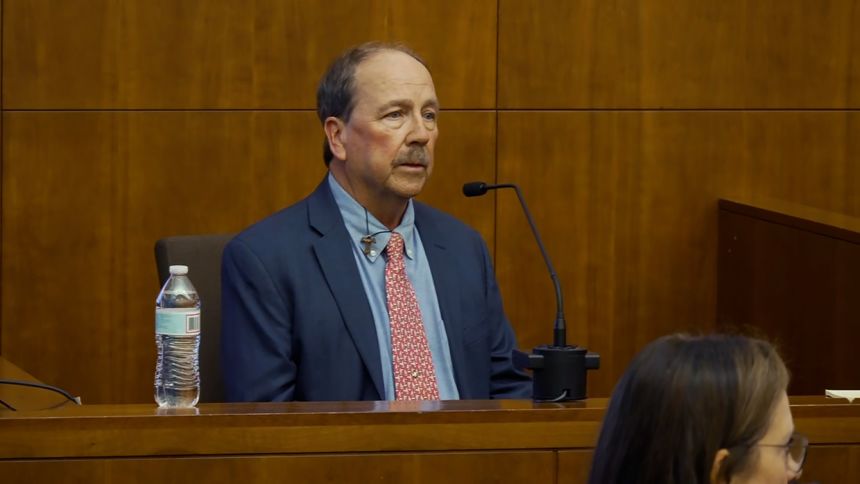
Dr. Jennifer Tufts, a licensed psychiatrist, described her interactions with the defendant over roughly a dozen sessions from September 2022 to January 2023, and repeated adjustments to Clancy’s medication as she grappled with anxiety and trouble sleeping.
At their first session, Clancy told the psychiatrist she didn’t have any suicidal intent, homicidal intent or hallucinations, Tufts said. The psychiatrist’s records from the appointment indicated Clancy said she was feeling overwhelmed, her children were challenging and she felt anxious leaving her baby.
The doctor met with Clancy on October 3, 2022, after Clancy asked her to facilitate an extension for her maternity leave, citing “postpartum anxiety/depression.”
Clancy worked as a labor-and-delivery nurse.
“I don’t feel mentally well enough to return to taking care of patients with a baby at home that still won’t take the bottle,” Clancy wrote in a message to Tufts before the appointment, per the prosecution. “I know this will trigger my anxiety too much.”
By the start of December 2022, Clancy was seeing another medical provider in addition to Tufts and had tried “a few different medication combinations,” the psychiatrist testified. According to prosecutors, Tufts’ notes included a quote from Clancy, which said: “I think it’s my problem. I keep reaching out to different people and not sticking with the plan.”
At that time, Clancy reported having intrusive thoughts which she described as “a feeling like I’m going to die.” Still, she denied having thoughts of self-harm, according to Tufts.
By mid-December, Clancy was feeling very depressed, Tufts said. She had recently gone to the emergency room due to suicidal ideation and was planning on attending a partial hospitalization program, as well as starting a new medication, she said.
In early January 2023, weeks before the killings, Clancy underwent a multiday stay at a psychiatric facility, where she was treated by another psychiatrist, Dr. Alia Goodheart, who also testified Friday.
Clancy then said she felt “numbness” and appeared anxious, but she displayed linear thinking and was goal-directed, Goodheart said. The psychiatrist diagnosed her with insomnia and worked to adjust her medication.
After several nights of sleep, Clancy asked to be discharged from the facility a day early “so she could be home with her family and her children,” Goodheart said.
“She was future-oriented, she was clearly invested in her children, she was a caring mother,” the psychiatrist said.
CNN
” data-fave-thumbnails=”{“big”: { “uri”: ” }, “small”: { “uri”: ” } }” data-vr-video=”false” data-show-html=”” data-byline-html=”
By

” data-timestamp-html=”
” data-check-event-based-preview=”” data-is-vertical-video-embed=”false” data-network-id=”” data-publish-date=”2026-08-04T17:52:37.494Z” data-video-section=”health” data-canonical-url=” data-branding-key=”” data-video-slug=”cnn-sitroom-brown-veerle-bergink-mount-sinai-postpartum-psychosis-ocd-mental-health” data-first-publish-slug=”cnn-sitroom-brown-veerle-bergink-mount-sinai-postpartum-psychosis-ocd-mental-health” data-video-tags=”” data-breakpoints=”{” video-resource–media-extra-large=”” data-display-video-cover=”true” data-details=””>
Women’s health psychiatrist says she “100%” believes that Lindsay Clancy experienced postpartum psychosis

Days after her discharge from the in-patient facility, Clancy still felt “numb” and “flat,” Tufts testified.
“She wasn’t able to cry, but she said she was able to laugh a little bit and hadn’t been having recent thoughts of suicidal ideation,” the psychiatrist said, adding she again adjusted Clancy’s prescriptions.
In an email to Tufts on January 11, 2023, Clancy asked the psychiatrist’s opinion on ketamine therapy. “This has been going on for months now and I’m getting desperate for something that would work quickly to get me out of this depressed state,” Clancy wrote in part, according to prosecutors.
Clancy was still depressed on January 16, the psychiatrist said, and they agreed on a plan to taper her off one medication and start taking a new antidepressant.
“She was doing what she needed to do to take care of her baby, though she subjectively felt like the bonding was forced with the baby,” Tufts testified.
Clancy met with Tufts the day before she killed her children.
“She said she was doing all right – a little more anxious, and the anxiety was described as the feeling of her heart racing,” the psychiatrist said.
Clancy said at that time she was not having any suicidal or homicidal ideation, Dr. Tufts said. Nothing Clancy said indicated she was a danger to anyone, the psychiatrist testified, and she never showed any signs of psychosis during any of their sessions.
Testimony is expected to resume Monday with the defense’s cross-examination of Tufts.
Two forensic psychiatrists testified Monday that Clancy appeared clear-headed and rational in the days after the killings.
In a hospital evaluation two days afterward, Clancy could not speak because she was on a ventilator, so she asked for a paper and pen to write her responses to questions.
She wrote that she was “horrified” and asked for an attorney, Dr. Jhilam Biswas testified. She also wrote, “is my body broken,” “are my legs straight,” if she could have visitors and where her family was, according to Biswas. Clancy seemed anxious, but she understood the questions and did not show signs of psychosis or hallucinations, Biswas said.
CNN
” data-fave-thumbnails=”{“big”: { “uri”: ” }, “small”: { “uri”: ” } }” data-vr-video=”false” data-show-html=”” data-byline-html=”
” data-timestamp-html=”
” data-check-event-based-preview=”” data-is-vertical-video-embed=”false” data-network-id=”” data-publish-date=”2026-08-03T23:25:28.192Z” data-video-section=”us” data-canonical-url=” data-branding-key=”” data-video-slug=”lindsay-clancy-trial-doctors-testify-vrtc” data-first-publish-slug=”lindsay-clancy-trial-doctors-testify-vrtc” data-video-tags=”” data-breakpoints=”{” video-resource–media-extra-large=”” data-display-video-cover=”true” data-vertical-orientation=”true” data-details=””>
Psychiatrist: Lindsay Clancy said she was ‘horrified’ after killing her three children
As the second week of Lindsay Clancy’s murder trial began on Monday, doctors and nurses testified about the Massachusetts mother’s physical and mental condition in the days after killing her three children and attempting suicide. CNN’s Randi Kaye reports