
The day after marking Spain’s National Day in Madrid, King Felipe and Queen Letizia flew south to Ceuta for a visit nearly two decades in the making. It is the first official visit by a Spanish monarch to the autonomous city since 2007, when King Juan Carlos and Queen Sofía made the same journey.
Two decades ago, as noted by the Associated Press, Juan Carlos and Sofía’s trip triggered a diplomatic crisis with Morocco. Their visit was controversial because Morocco does not recognize Spanish sovereignty over Ceuta or the city of Melilla, considering both territories to be occupied Moroccan land, which means any visit by a Spanish head of state is seen by Rabat as an assertion of ownership over places it believes should belong to Morocco. As a result, Morocco recalled its ambassador to Spain, protests broke out outside Spanish consulates, and King Mohammed VI publicly condemned the trip as a “nostalgic act from a decidedly bygone era.” The diplomatic fallout took months to resolve.
This time, however, King Felipe and Queen Letizia, dressed in a Hugo Boss bouclé blazer with navy trousers, arrived to a much warmer welcome with packed streets and crowds waving Spanish flags. According to the Royal Palace, the couple were received at the city hall by Juan Jesús Vivas, president of the Autonomous City of Ceuta, who presented the king with the ceremonial staff of office before Felipe was handed a key to the city and signed the guest book. The morning also included a working meeting with representatives of Ceuta’s governing council and civil society.
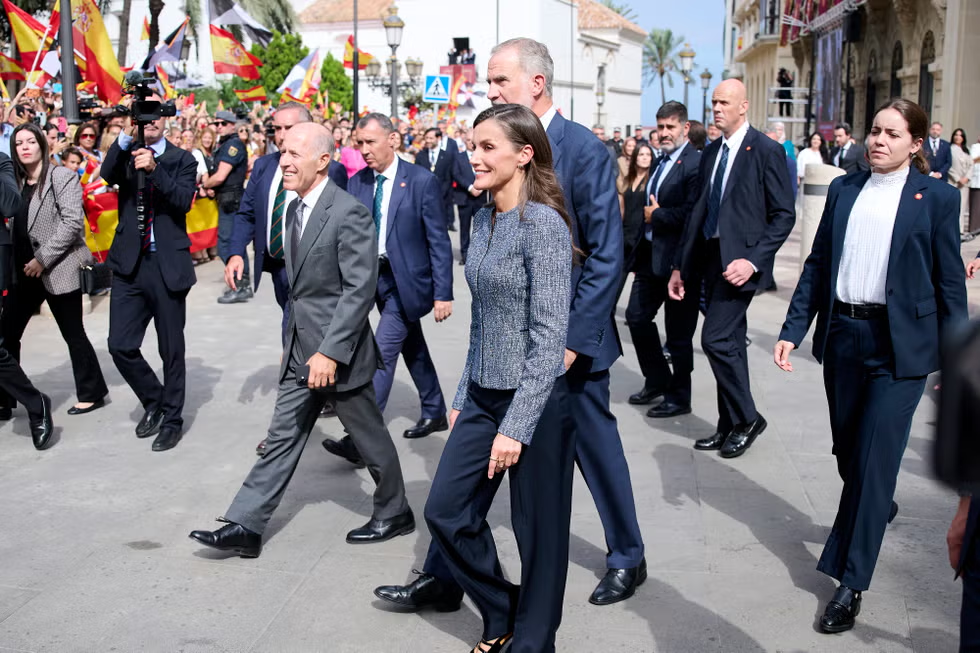
Queen Letizia and King Felipe arrive in Ceuta.
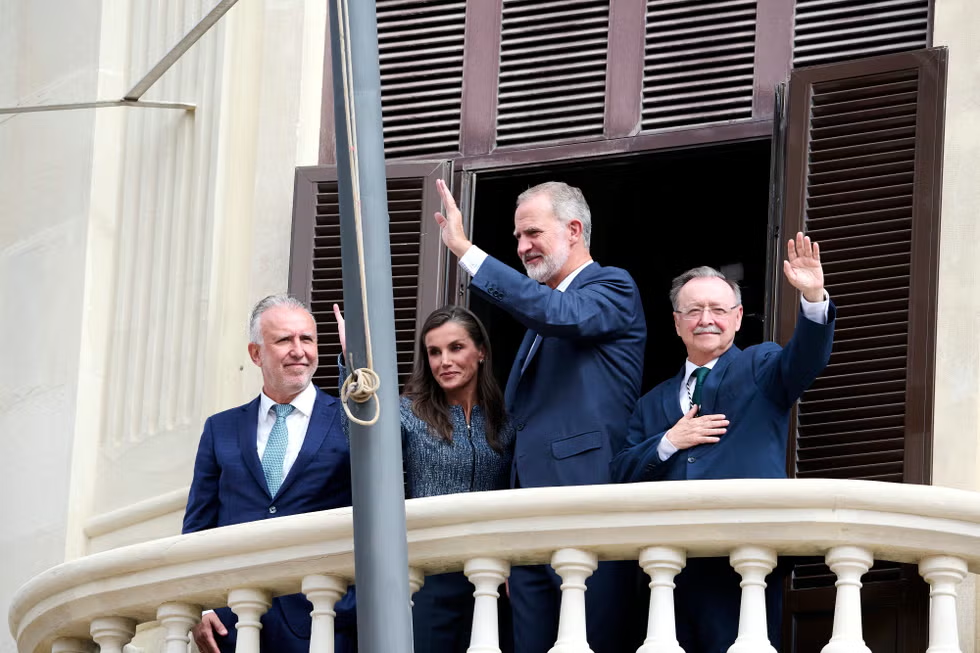
The King and Queen wave to the crowd from the city hall balcony.
Ceuta is an autonomous city situated on the northern coast of Africa, sharing a land border with Morocco at the entrance to the Strait of Gibraltar. It covers roughly 18.5 square miles and is home to approximately 84,000 residents. Morocco maintains a longstanding sovereignty claim over the territory, which Spain rejects. The city has been under continuous Spanish control since 1580 and gained formal autonomous city status in 1995. The European Union also considers Ceuta within its borders and the city uses the Euro currency.
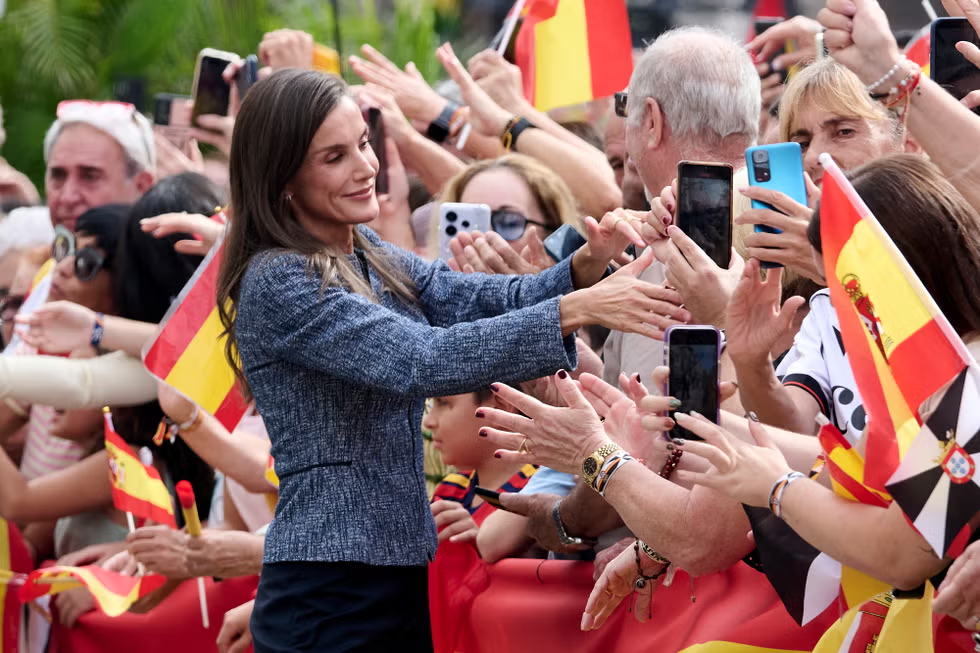
Queen Letizia takes a selfie with someone in the crowd.
The royal visit comes amid a prolonged migration crisis. In late July, approximately 70,000 people crossed from Morocco into Ceuta in the span of two days, according to the BBC, during which humanitarian organizations estimate at least 141 people died. The majority of those who crossed have since left, but thousands remain, placing sustained pressure on local infrastructure and services and fueling political tension across Spain.
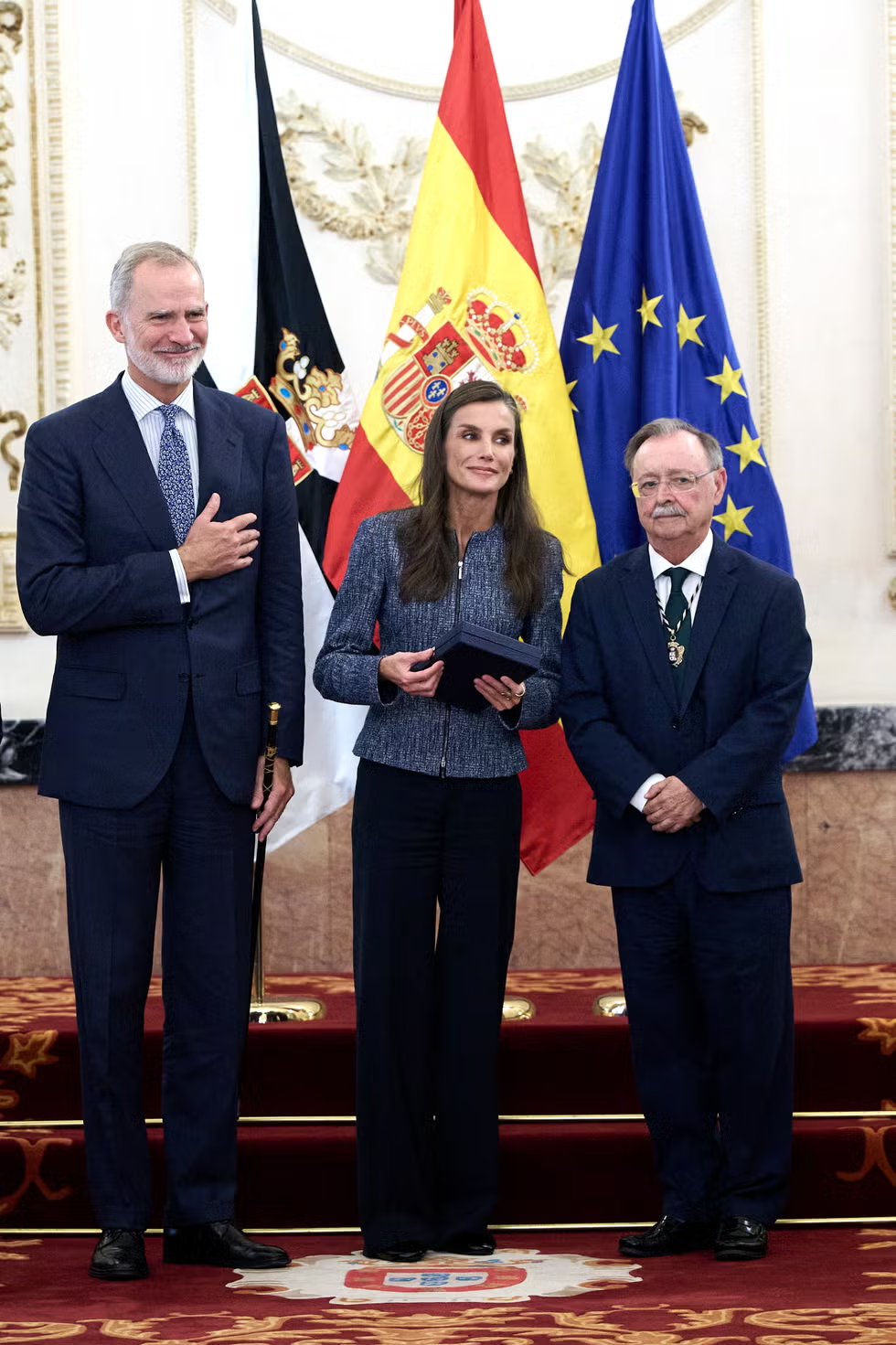
King Felipe and Queen Letizia with Ceuta President Juan Jesús Vivas at city hall.
The royals’ afternoon program reflected the complexity of the moment. The king and queen visited the Vicente Aleixandre school, known for its multicultural and interfaith education programs, before attending an ecumenical memorial service at the Sidi Embarek Muslim cemetery, where many of those who died during the July crossings were buried. The royal couple will spend the night in Ceuta—the first time in Spain’s democratic history that a head of state has stayed overnight in the city—before traveling on Wednesday to Melilla, Spain’s other autonomous city on the North African coast.
Rachel King (she/her) is a news writer at Town & Country. Before joining T&C, she spent nearly a decade as an editor at Fortune. Her work covering travel and lifestyle has appeared in Forbes, Observer, Robb Report, Cruise Critic, and Cool Hunting, among others. Originally from San Francisco, she lives in New York with her wife, their daughter, and a precocious labradoodle. Follow her on Instagram at .